Safe Removal That Protects What Stays Behind
Tree and Stump Removal in Burlington for damaged, overgrown, or hazardous trees threatening structures and yard safety
Overgrown branches scraping against siding during windstorms, dead trees leaning toward driveways, or root systems lifting sections of fencing create immediate risks that worsen with each weather event. One With Nature Tree Service handles tree and stump removal in Burlington and throughout Burlington County, using rigging systems and directional felling techniques that prevent damage to nearby landscaping, structures, and utility lines. Storm-related tree damage remains a recurring issue across South Jersey, where nor'easters and summer thunderstorms routinely compromise older trees with weakened root systems or split canopies.
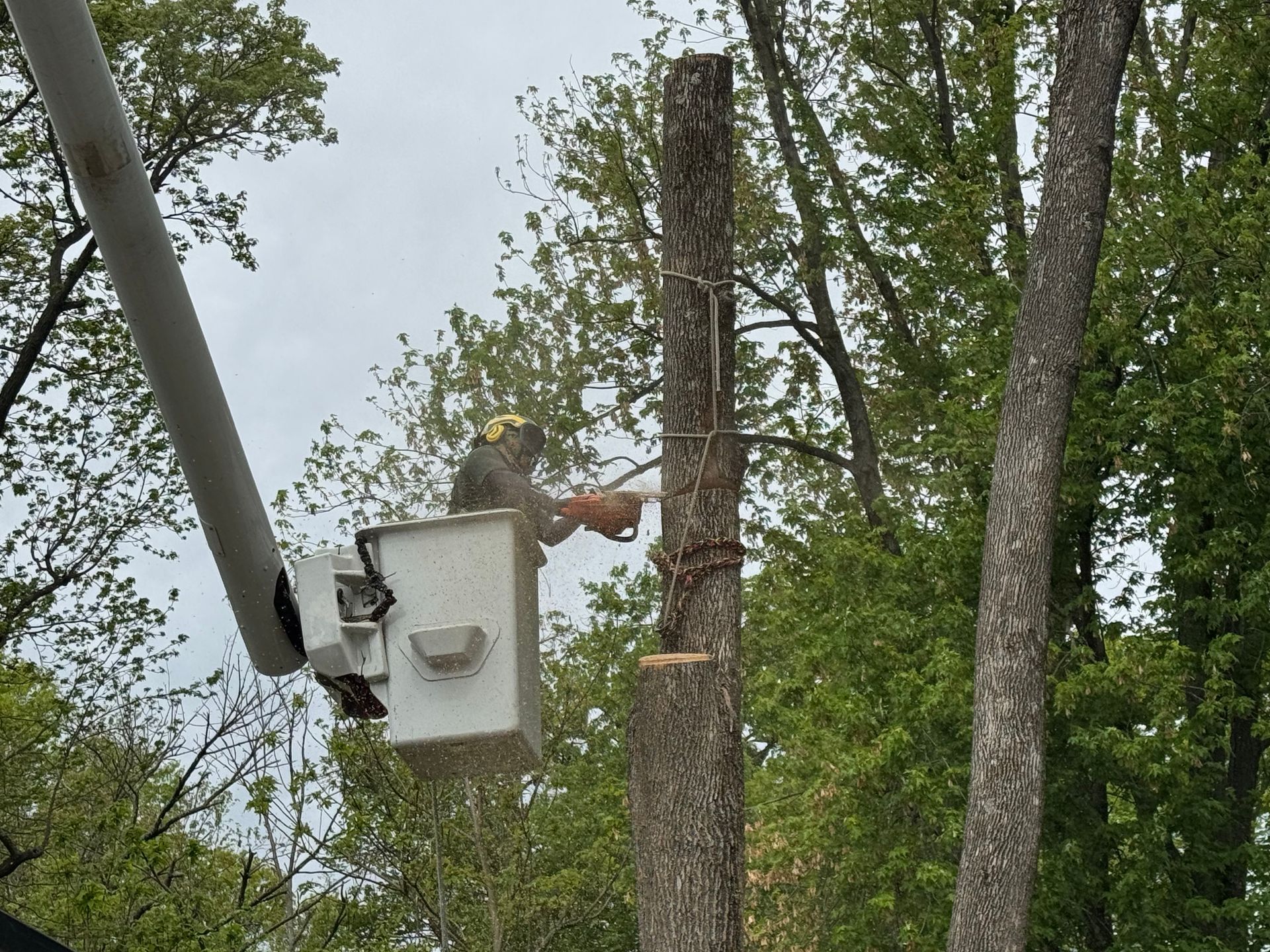
The removal process begins with evaluating the tree's lean, proximity to structures, and root stability, then determining the safest dismantling approach. For trees near homes or fences, sectional removal involves climbing and cutting limbs in controlled segments before dropping the trunk in manageable pieces. Stump grinding follows removal, chipping the stump below grade so grass or new plantings can fill the space without surface obstacles or regrowth sprouts appearing months later.
Schedule a property inspection to assess trees showing visible cracks, root exposure, or leaning angles that indicate structural instability.
What Happens After the Tree Comes Down
Removal equipment includes chainsaws rated for trunk diameters exceeding two feet, stump grinders with carbide teeth that process roots into mulch-sized chips, and rigging ropes that control limb direction during cutting. Each cut is planned to avoid shock-loading remaining branches, which can cause unexpected splits that send wood toward unintended targets. Larger removals require cranes when trees stand within feet of rooflines or power lines, allowing operators to lift sections vertically rather than relying on gravity and clearance space.
After the stump is ground and wood debris is hauled away, the yard shows open space where the tree once blocked sunlight or crowded other plantings. Grass begins filling the stump area within weeks if topsoil is added over the grinding site, and nearby shrubs or flower beds no longer compete with invasive roots that previously monopolized moisture. One With Nature Tree Service completes full cleanup, removing sawdust, wood chips, and branch material so the property is left without visible remnants of the tree or stump.
Protection measures during removal include plywood barriers over flower beds, padding around fence posts, and tarp placement beneath drop zones to prevent soil compaction. Properties with septic systems or underground utilities receive marked boundaries to avoid disturbing infrastructure during stump grinding, and crews verify clearance zones before any rigging or cutting begins.
What Homeowners Ask About Tree Removal
Removal work raises questions about timing, safety protocols, and what remains after the job is finished. The answers below address common concerns for residential properties in Burlington County.
What indicates a tree needs removal rather than trimming?
Trees with trunks split more than halfway through, root systems visibly heaving from the ground, or canopies with over sixty percent dead wood typically cannot be saved through pruning and pose collapse risks during high winds.
How is stump grinding different from stump removal?
Grinding chips the stump eight to twelve inches below grade, leaving roots to decompose naturally underground, while full removal excavates the entire root ball and requires equipment that disturbs significantly more soil and surrounding landscape.
What happens to the wood after removal?
Wood is hauled off-site unless you request logs for firewood or mulch chips for garden use, with larger trunks sometimes milled into lumber depending on species and condition.
When should storm-damaged trees be removed?
Trees leaning after storms or showing fresh cracks in the trunk should be evaluated immediately, as weakened structures often fail completely during the next wind event, especially common during South Jersey's late summer storm season.
How long does a typical removal take?
Single-tree removals average two to four hours depending on size and proximity to structures, while multi-tree projects or those requiring cranes extend to full-day operations with staged cutting and debris management.
One With Nature Tree Service provides removal solutions for properties where trees have outgrown their locations or become safety hazards. Contact the team to arrange an evaluation for trees showing instability, disease progression, or structural damage that threatens buildings and landscaping.