
Outdoor Spaces Built for Decades of Use
Patios, Retaining Walls and Concrete in Burlington for erosion control, functional outdoor living areas, and durable hardscape features
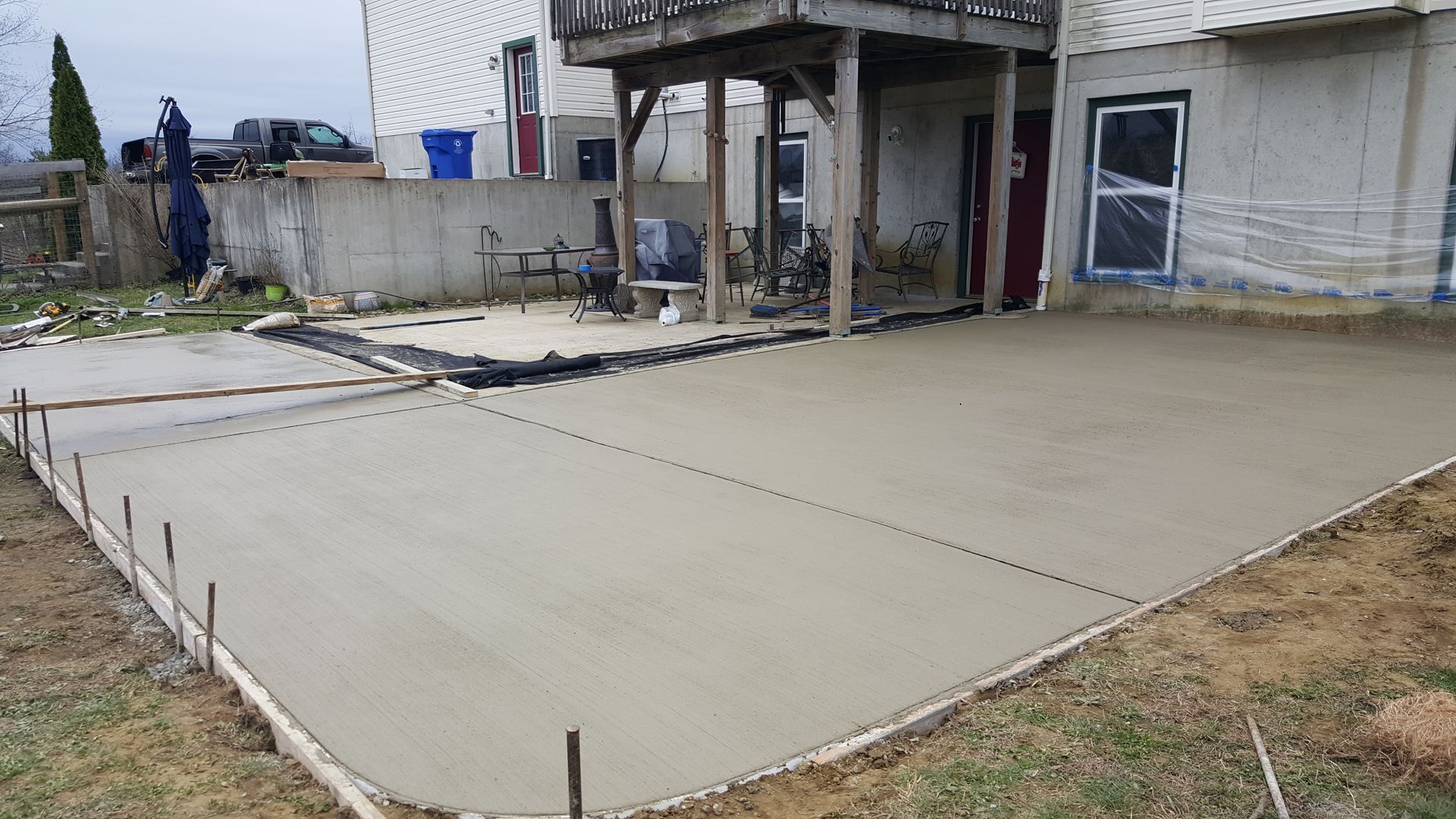
Sloped yards that wash out during storms, patios cracked from freeze-thaw cycles, or walkways that settle unevenly after a few seasons reduce property usability and create ongoing maintenance headaches. One With Nature Tree Service constructs patios, retaining walls, and concrete installations throughout Burlington County, using compacted base materials and proper drainage design to prevent the shifting and erosion that compromise amateur installations. Retaining walls stabilize grade changes, reclaim usable yard space from slopes, and redirect water away from foundations, while concrete patios and walkways provide level surfaces that withstand changing weather conditions without cracking or heaving.
Construction begins with excavation to remove unstable topsoil, followed by placement of gravel base layers that are compacted in lifts to prevent settling. Retaining walls use interlocking blocks with geogrid reinforcement on taller installations, while concrete pours include control joints, rebar reinforcement, and proper sloping for drainage.
Arrange an on-site consultation to review yard grading, erosion patterns, or outdoor living areas requiring hardscape upgrades.
What Separates Lasting Construction from Quick Fixes
Base preparation determines whether hardscape features last decades or fail within years, with proper installations requiring excavation depths of six to eight inches for patios and twelve inches or more for retaining walls depending on height. Gravel base is compacted using plate compactors or jumping jacks that achieve ninety-five percent density, eliminating voids where water accumulation causes frost heaving in winter. Drainage design includes perforated pipe behind retaining walls and graded surfaces that direct water away from structures rather than pooling against foundations.
After construction is complete, patios provide level entertaining space without trip hazards or standing water, and retaining walls hold grade separation without leaning or shifting as soil pressures change through wet and dry cycles. Concrete walkways cure to full strength within four weeks, developing surfaces that resist scaling from freeze-thaw exposure and deicing salts used during South Jersey winters. Customization options include stamped or colored concrete, natural stone veneers on retaining walls, and paver patterns that complement existing landscape design.
Long-lasting materials designed for changing weather conditions include concrete mixes with air entrainment for freeze-thaw resistance, retaining wall blocks rated for structural load, and polymeric sand between pavers that resists washout while allowing water to drain through joints. Properties with complex grading or multiple elevation changes benefit from engineered designs that account for soil type, drainage paths, and load-bearing requirements specific to the site.
Frequent Hardscape Questions
Patio and retaining wall projects involve material choices, site preparation, and maintenance expectations that affect long-term performance. These answers address common concerns for backyard upgrades.
What causes concrete to crack after installation?
Cracks typically result from inadequate base compaction, missing control joints, or pouring during temperature extremes, all of which create stress points where concrete fractures as it cures and experiences seasonal movement.
How tall can a retaining wall be built without engineering?
Walls exceeding four feet in height generally require engineered designs and building permits to ensure structural stability under soil loads, while shorter walls can be built using manufacturer specifications for block placement and base depth.
What is the difference between pavers and poured concrete?
Pavers can be individually replaced if damaged and allow water infiltration through joints, while poured concrete creates monolithic surfaces that are less expensive per square foot but require full section replacement if cracking occurs.
How does proper drainage prevent retaining wall failure?
Drainage pipe and gravel backfill relieve hydrostatic pressure that builds behind walls during rain, preventing the forward-pushing force that causes walls to lean, crack, or collapse in Burlington County's clay-heavy soils.
When can a new patio or walkway be used?
Concrete reaches walking strength in twenty-four to forty-eight hours but requires seven days before supporting furniture or planters and twenty-eight days to achieve full structural strength and durability.
One With Nature Tree Service builds outdoor hardscape features where erosion control, usable yard space, and entertaining areas improve property function and value. Contact the company to plan patio, retaining wall, or concrete projects that address grading challenges or expand outdoor living capacity on your property.